The short answer
1. Is the deposit refundable, and in what situations?
This is the big one. Consumer Protection says a deposit is generally not refundable, unless both sides agree it is. So agree it, and make it part of the contract.
The useful wording is something like "refundable in full if the inspection finds faults". Then get a receipt showing the amount paid, the balance owing and whether it's refundable. Consumer Protection also suggests keeping a deposit to 10% or less.
If a seller insists on a deposit before you've seen anything, Consumer Protection's advice is blunt: it may be a sign to buy elsewhere.
2. Can I get it independently inspected before I commit?
The answer you want is "yes, of course". A seller with nothing to hide doesn't mind a mechanic looking over the car.
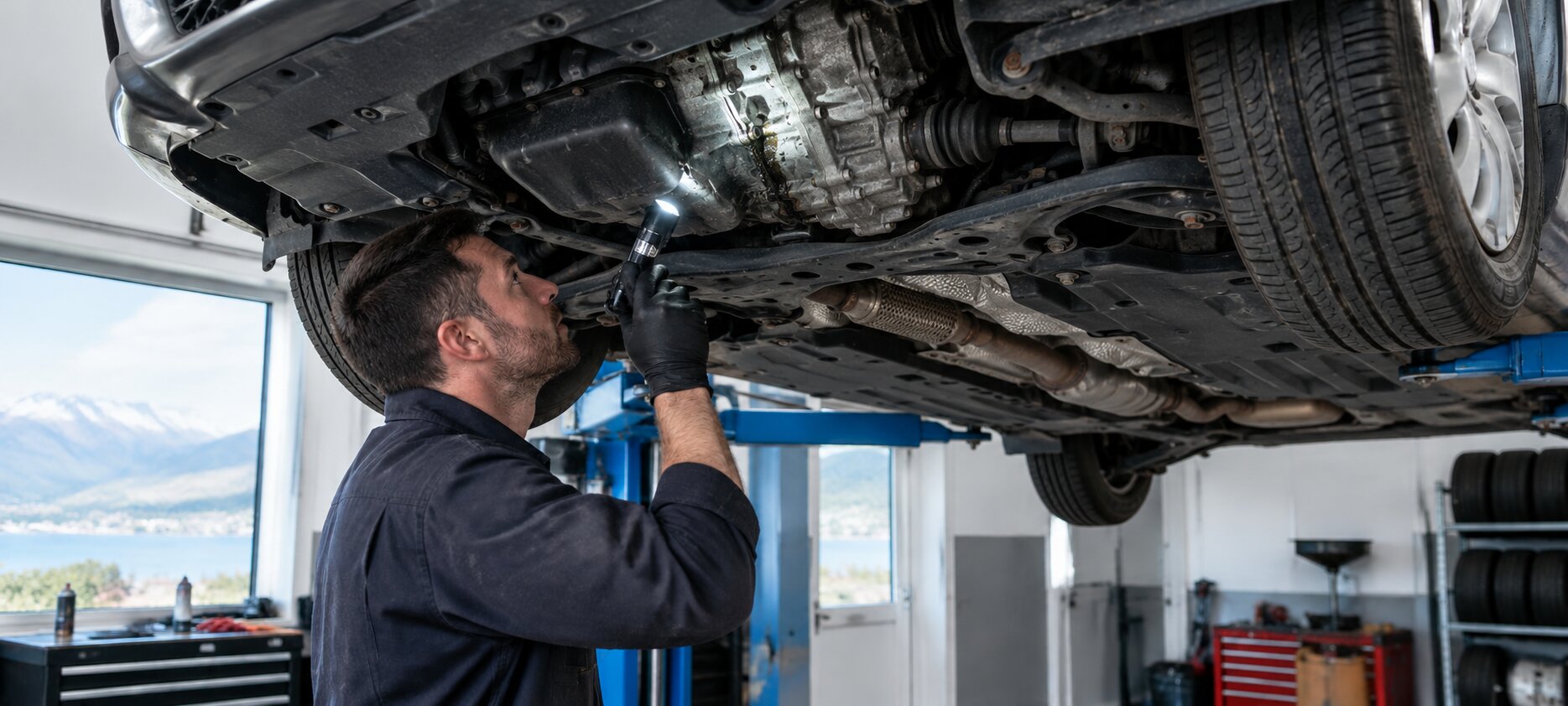
Better still, make the purchase conditional on the inspection. Consumer Protection notes you can negotiate a contract that depends on mechanical checks. If the inspection finds a problem, you can walk away or renegotiate.
3. Is there any money owing on it?
Ask, then check for yourself. A PPSR search costs under $2 and shows whether a lender has a security interest in the car. At a dealer, the Consumer Information Notice must also show any money owing.
If there is finance on it, ask exactly how and when it'll be cleared before ownership changes.
4. Can I see the service history?
Not just the stamps. The receipts. They show what was actually done, when, and at what kilometres.
A full history doesn't guarantee a good car, and a missing one doesn't guarantee a bad one. But it changes the price, and it changes how carefully you inspect. The real cost guide covers what to look for.
5. What's included in the price?
The advertised price isn't always the price you pay. Ask:
- Is the WOF less than a month old? NZTA says buyers can insist on one.
- Is the rego current? Are road user charges paid up, if it's a diesel or EV?
- Are there extras bundled in, like paint protection or mechanical breakdown insurance?
- Are there any fees on top, like on-road or admin costs?
“The questions sellers dodge tell you more than the ones they answer.”
[Carfinder name], carfinder
Rather someone asked the awkward questions for you?
Tell us what you're after. A carfinder will find 3 cars that fit, and tell you why each one made the list.
Buying privately? Write it down anyway
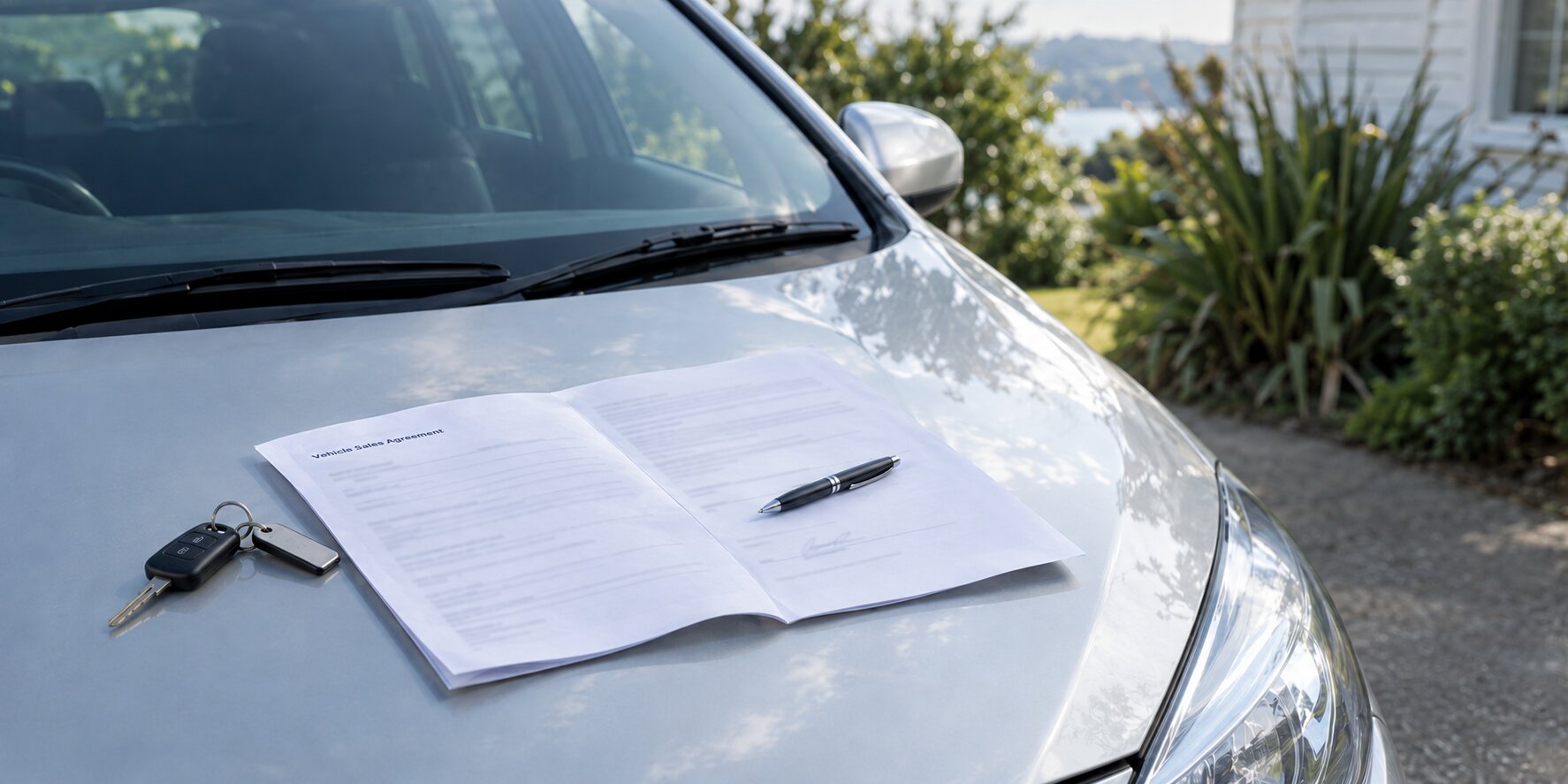
Private sellers don't need a written sales agreement. It's still worth having one. Consumer Protection publishes a free template for private car sales, covering the price, payment method, and notes on the car's ownership and condition. If something goes wrong later, it's your evidence.
The short version
- Agree in writing when the deposit is refundable
- Make the sale conditional on an independent inspection
- Run a PPSR check for money owing
- Ask for service receipts, not just stamps
- Confirm what's included: WOF, rego, RUC and any extras
Common questions
Is a car deposit refundable in NZ?
Generally not, unless you and the seller agreed it would be. Make the refund conditions part of the agreement, and get a receipt that says so.
How much deposit should I pay on a car?
Consumer Protection suggests 10% or less. Better still, ask the seller to hold the car while you arrange an inspection, without a deposit.
Can I get my deposit back if the inspection finds problems?
Only if the deal was conditional on the inspection, or the deposit was agreed as refundable. That's why you agree it before you pay.
Should I pay a deposit to a private seller?
Be cautious. Private sales have fewer legal protections. If you do, get a written agreement and a receipt that states the refund conditions.
[Short bio: what they specialise in, and the kind of buyers they help most.]