The short answer
What a used car costs after you buy it
| Cost under the price tag | What it can cost | How to spot it before you buy |
|---|---|---|
| Hybrid battery | About $900 to $2,500 reconditioned; new Aqua packs from $2,990 fitted | Battery health test; age and kilometres |
| CVT gearbox | Most repairs around $3,000; replacement on an older car can cost more than it's worth | Service records showing CVT fluid changes; test drive from cold |
| Timing chain | Labour-heavy repair; if it breaks, it can write off the engine | Rattle on a cold start; inspection |
| Missed servicing | Worn parts, voided warranties, faults building up | A service history with dates, kilometres and receipts |
| Insurance | Higher for theft-prone or high-risk models | A quote on the exact car, by plate |
| Resale | Lower for high kilometres, unpopular models or patchy history | Compare what the same car sells for 3 years older |
Sources: battery pricing from Taha Auto Group and Bowater Toyota; CVT repair costs from the AA.
What does servicing tell you about a used car?
More than the listing does. A full history shows what's been done and when: oil changes, gearbox fluid, cambelt or timing chain work, brakes. A gap doesn't always mean trouble. It does mean nobody can tell you whether the boring, important jobs got done.
Ask for receipts, not just stamps. A stamp tells you someone was there. A receipt tells you what they did.
Which faults should you check for on a used car?
The expensive ones are usually in the drivetrain. Three come up again and again on the cars New Zealanders buy most.
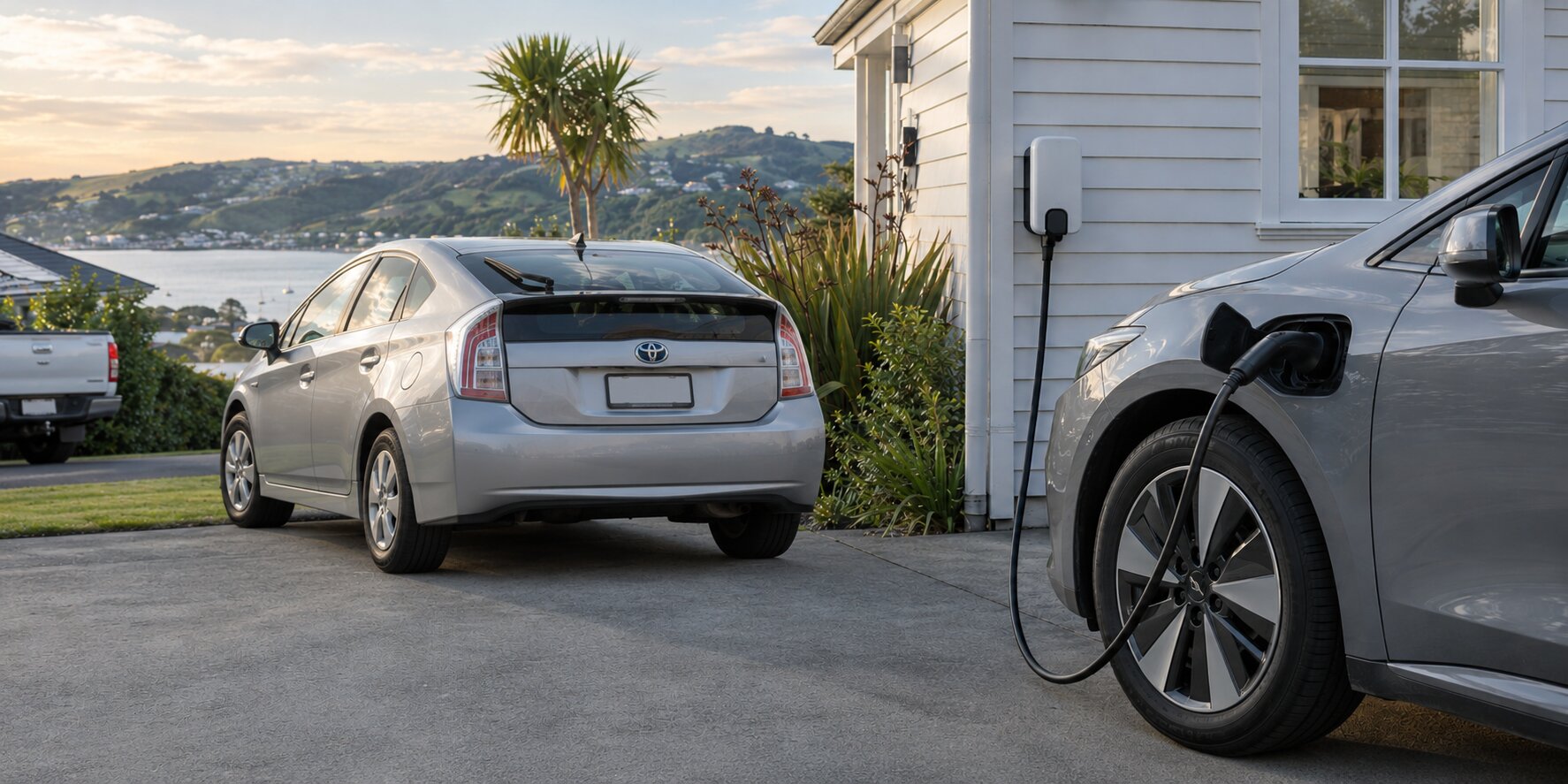
Hybrid batteries. They wear out like any rechargeable battery. On older Aquas and Prius, a replacement ranges from about $900 for a reconditioned pack to $4,000 for a new genuine one. A battery health test tells you how much life is left.
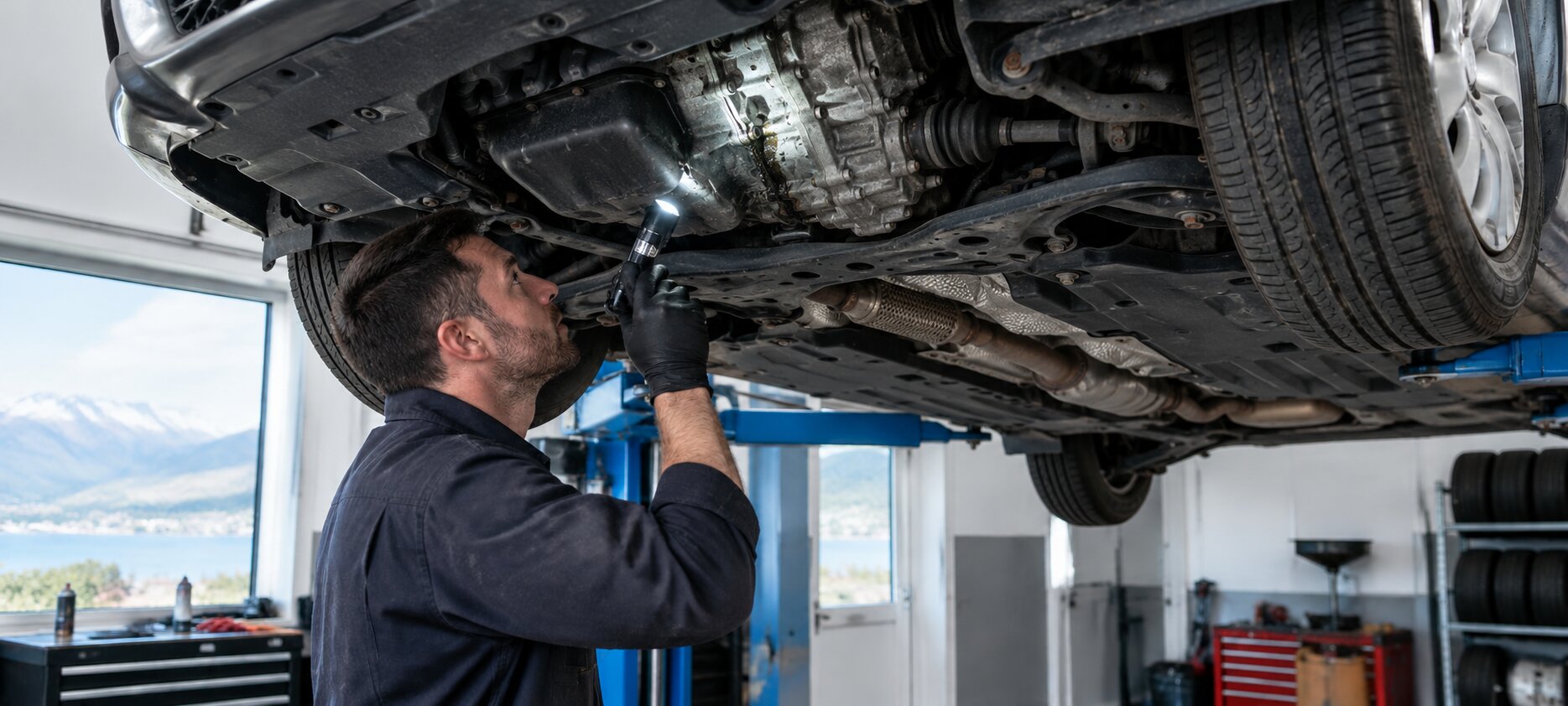
CVT gearboxes. Common in Nissan, Honda and Toyota small cars. The AA remains cautious about CVTs in cars 5 to 15 years old. Most can be repaired for around $3,000, but on an older car a replacement can cost more than the car is worth. Regular fluid changes make a real difference, so check the records.
Timing chains. They're meant to last, but some engines stretch them early. The job is labour-heavy because the chain sits deep inside the engine. If one breaks, the engine can be damaged beyond economic repair.
Isn't a fresh WOF enough?
No. A WOF is a safety check on the day it's done: brakes, tyres, lights, seatbelts, structure. It isn't a mechanical inspection, and it doesn't look at the gearbox or the hybrid battery's health.
The gaps between WOFs are also getting longer. From 1 November 2026, light vehicles registered on or after 1 November 2019 move from annual WOFs to every 2 years, and new cars get their second WOF at 4 years instead of 3. More time between checks means more can change between them. Source: NZTA.
“The cheap ones are usually cheap for a reason. Our job is to find out the reason before you do.”
[Carfinder name], carfinder
Want someone else to look under the price tag?
Tell us what you need. A carfinder will find 3 that fit and check them over before you see them.
How resale changes the real cost
What you pay isn't what the car costs you. What it costs you is the price, minus what you get back when you sell, plus everything in between.
Two cars at the same price can end up thousands apart. High kilometres, a patchy service history and models buyers avoid all pull resale down. A car that's popular, well kept and documented holds its value better.
When to walk away
- The seller won't allow an independent inspection
- The service history is missing and the price assumes it isn't
- There's a warning light, or the seller has "just cleared" one
- The gearbox hesitates, slips or shudders on the test drive
- There's money owing on the PPSR and no clear plan to clear it before sale
There are other cars. Walking away from the wrong one is part of finding the right one.
The short version
- Budget for servicing, faults, insurance and resale, not just the price
- Ask for a service history with receipts
- Get a battery health test on any used hybrid
- Treat a WOF as a safety check, not a mechanical inspection
- Get an independent pre-purchase inspection before you pay
Common questions
What are the hidden costs of buying a used car in NZ?
Servicing that's been missed, mechanical faults, insurance and lost resale value. Hybrid batteries and CVT gearboxes are two of the most expensive surprises.
How much does a hybrid battery cost to replace in NZ?
For a small hybrid like an Aqua, about $900 to $2,500 for a reconditioned pack. A new genuine pack costs up to around $4,000.
Should I avoid cars with a CVT gearbox?
Not automatically. The AA is cautious about CVTs in cars 5 to 15 years old. A well-serviced one with regular fluid changes is a much safer bet than one with no records.
Is a pre-purchase inspection worth it?
Yes. It costs far less than the faults it can find. If it turns something up, you can walk away or use it to negotiate.
Are WOFs changing in 2026?
Yes. From 1 November 2026, many light vehicles 4 to 14 years old move to 2-yearly WOFs, and older cars move from 6-monthly to annual. The fine for a WOF more than 2 months overdue rises to $350.
[Short bio: what they specialise in, and the kind of buyers they help most.]