The short answer
Worth paying for vs not worth paying for
| Usually worth paying for | Usually not worth paying for |
|---|---|
| More airbags, stability control, autonomous emergency braking | Bigger alloy wheels (and pricier tyres to match) |
| A higher safety rating on Rightcar | Body kits and badges |
| The engine or drivetrain that suits how you drive | A sunroof you'll rarely open |
| Reversing camera and sensors, if you park in tight spots | Leather, if cloth would do |
| A full service history, over a fancier trim without one | A premium stereo you won't notice |
Why two identical-looking cars can be thousands apart
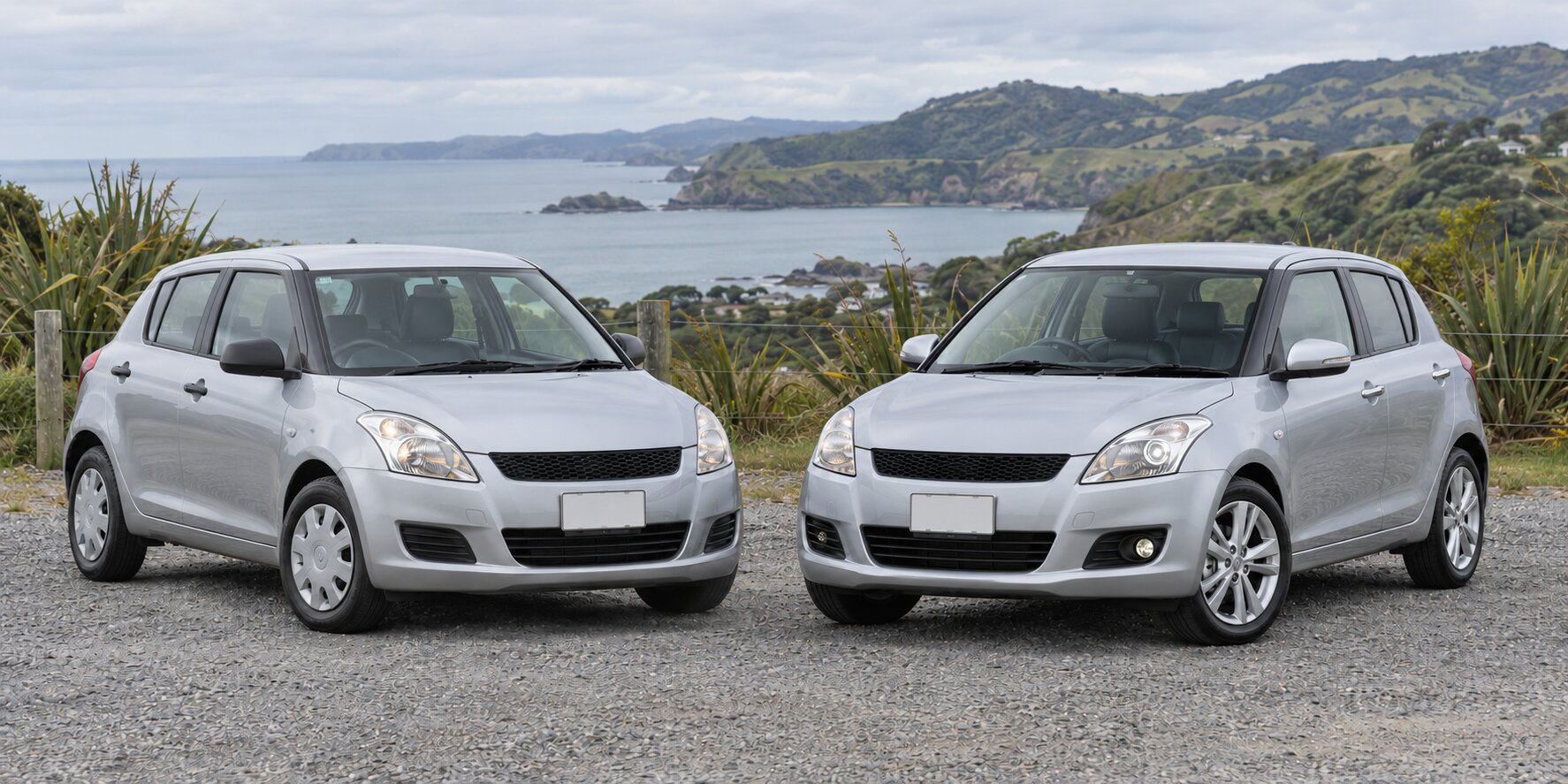
Because the badge doesn't tell you what's under it. The AA points out that a Japanese-spec car might have only 2 airbags, where the NZ-new version has 6 airbags and stability control.
The Suzuki Swift is the classic example. The AA notes Rightcar rates the NZ-new 2017 to 2020 Swift at 5 stars, and the used import of the same years at 1 star. Same name, same shape, very different car in a crash.
Some models even change name. The AA's example is the Honda Jazz, which is NZ-new, and the Honda Fit, its used import twin.
Engine and drivetrain: where the money really goes
The biggest differences between variants are often under the bonnet, and they cost you every week.
- Bigger engine: quicker, but usually thirstier. Worth it if you tow or carry heavy loads. Not if you mostly drive around town.
- 4WD or AWD: worth it for gravel roads, snow or a boat ramp. Otherwise it's extra weight and fuel.
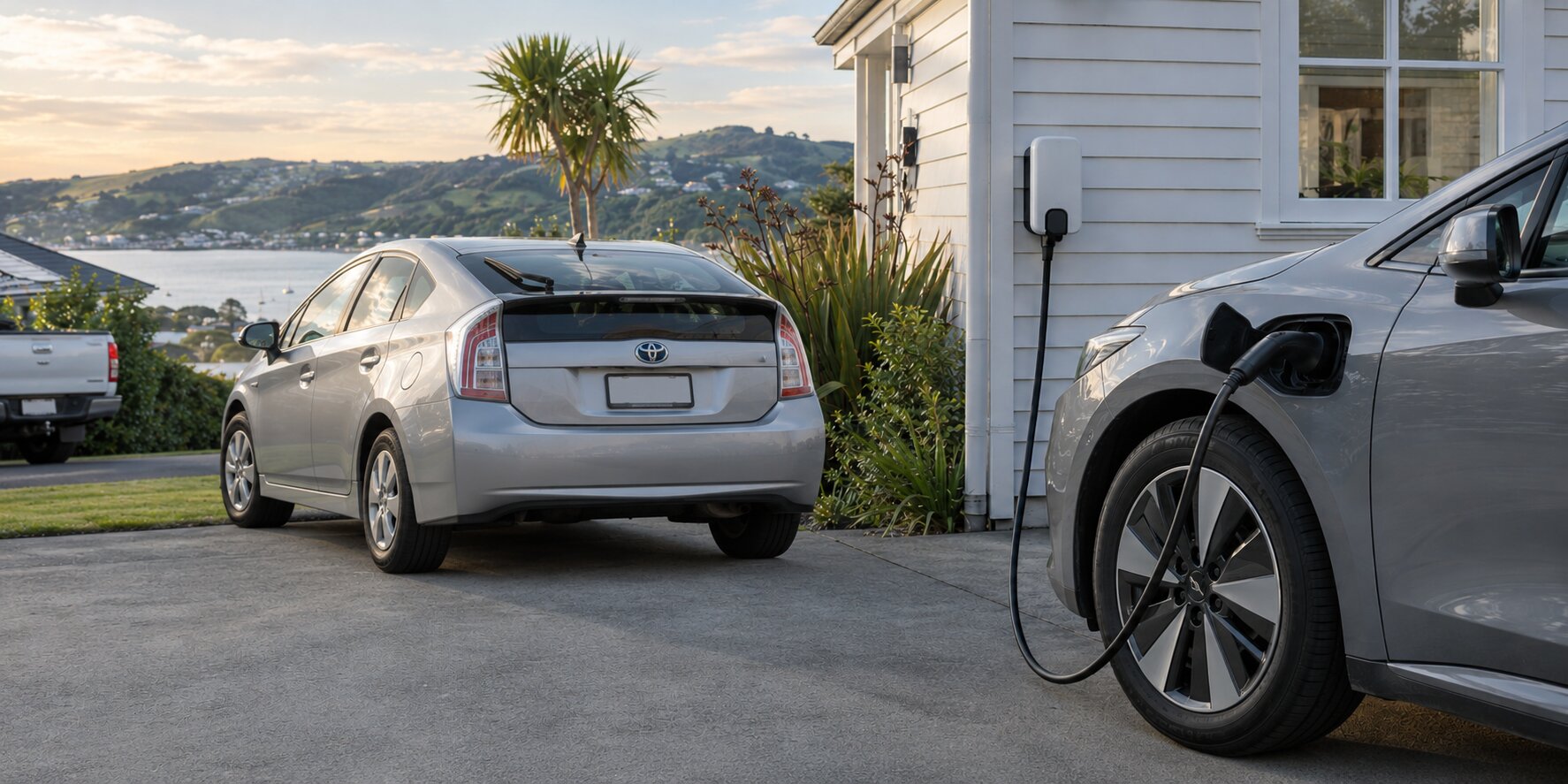
- Hybrid vs petrol version of the same model: the hybrid usually costs more upfront and less to run. The fuel types guide shows how to weigh that.
How to tell which variant you're actually looking at
Listings aren't always right about the trim. A base model can be listed with a higher one's name, by mistake or otherwise.
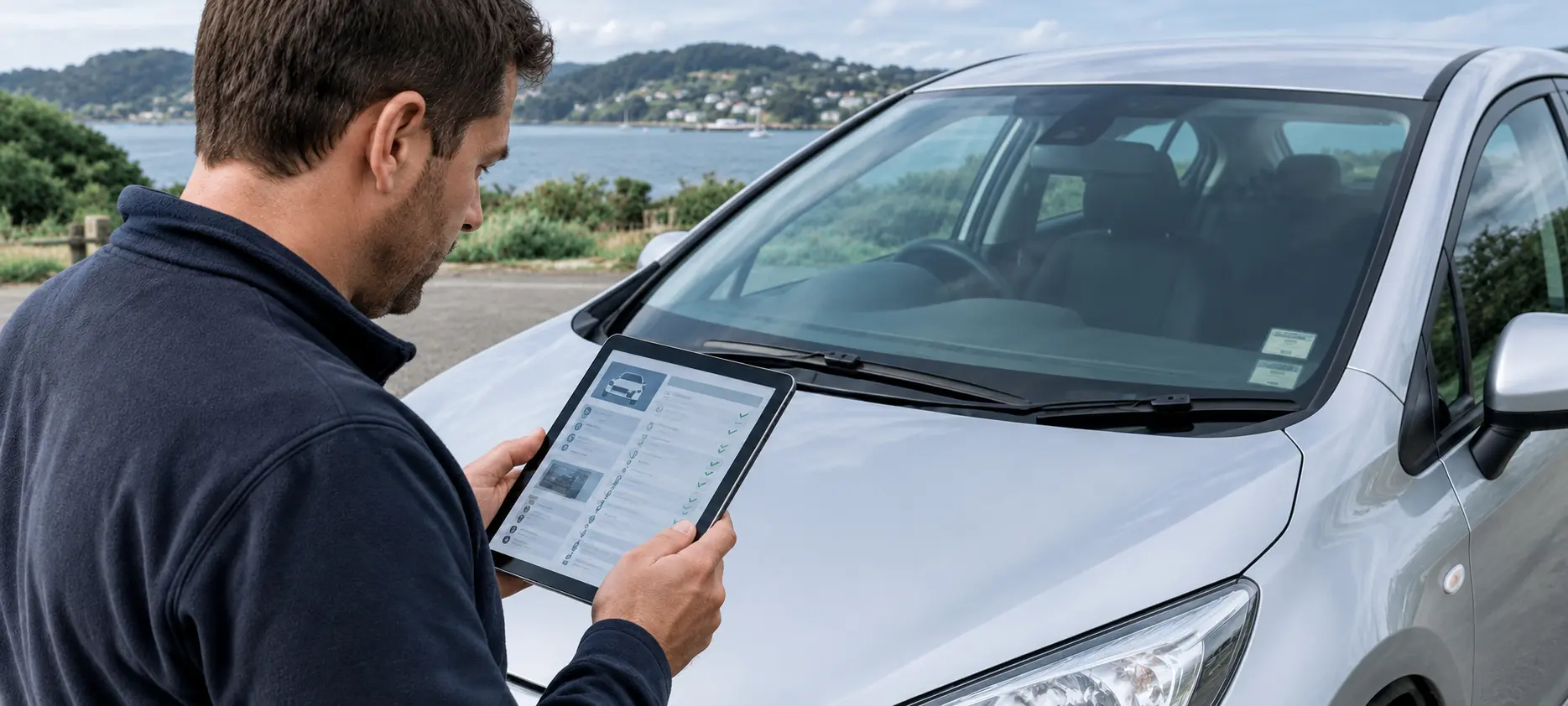
- Check the variant on the vehicle's registration record or a history report.
- Check the safety rating for that exact plate on Rightcar.
- Check the features in person: count the airbags, test the camera, look for the stability control button.
“The spec sheet tells you what a car can have. We check what this one actually has.”
[Carfinder name], carfinder
Not sure which version to go for?
Tell us what you need and how you drive. A carfinder will pick 3 cars that fit, and tell you why that variant made the list.
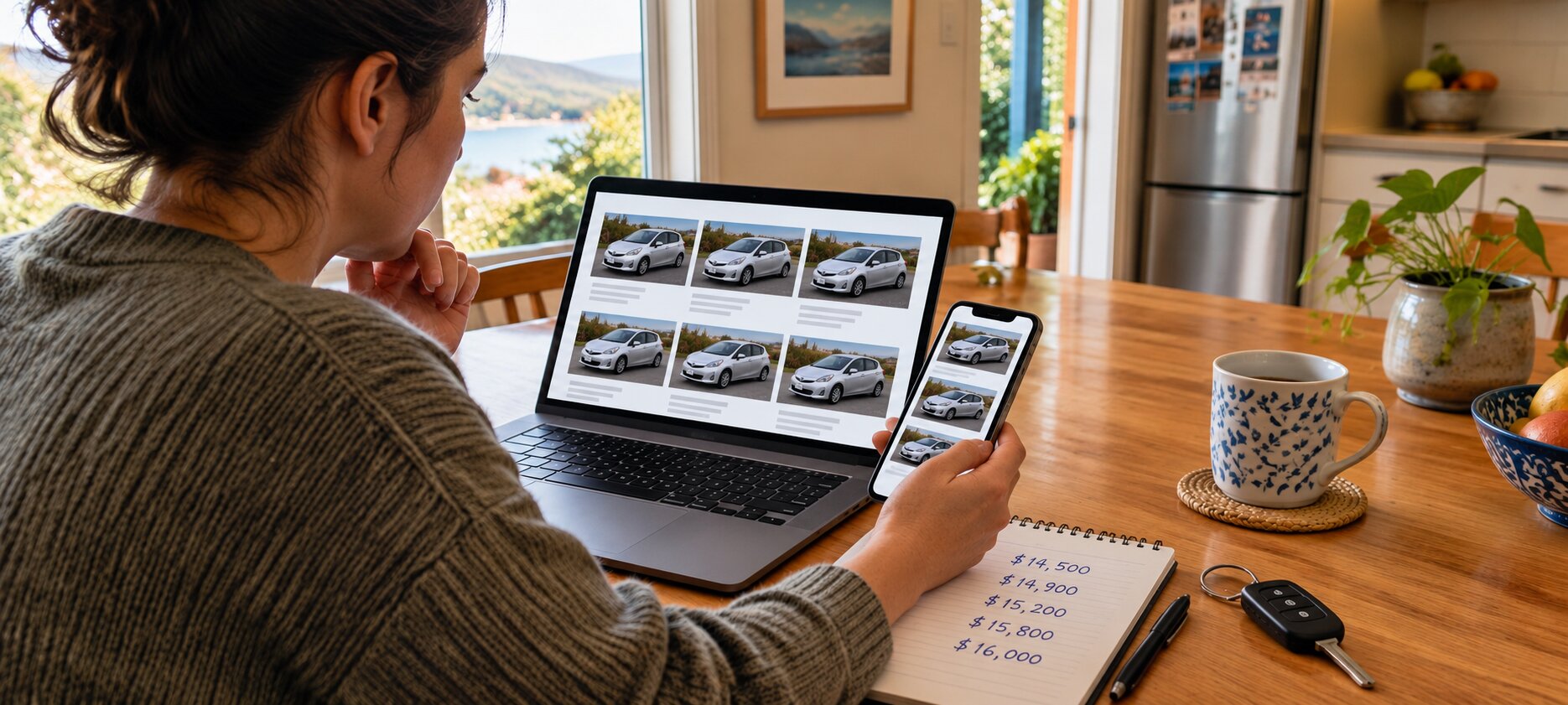
So, is the extra $4,000 worth it?
Ask three questions about the upgrade:
- Will it make the car safer?
- Will it cut what I spend each week, or what it costs to keep?
- Will the next buyer pay for it too?
Two yeses and it's probably worth it. None, and that $4,000 is better spent on a newer or lower-kilometre version of the cheaper variant.
The short version
- Pay for safety, running costs and resale, not looks
- Check the exact car's rating on Rightcar
- NZ-new and imported versions of one model can be rated very differently
- Confirm the variant from the record, not the listing
Common questions
Is a top-of-the-range used car worth the extra money?
Only if the extras improve safety, running costs or resale. Cosmetic upgrades rarely pay you back when you sell.
Why do NZ-new and imported versions of the same car have different safety ratings?
They're often built to different specs. A Japanese-domestic car might have fewer airbags or no stability control, compared with the NZ-new version.
Where can I check a car's safety rating in NZ?
On Rightcar (rightcar.govt.nz), using the plate. It shows the rating for that specific vehicle.
Is a bigger engine worth it?
If you tow, carry heavy loads or do a lot of open-road driving, often yes. For mostly town driving, the smaller engine usually costs less to run.
[Short bio: what they specialise in, and the kind of buyers they help most.]